
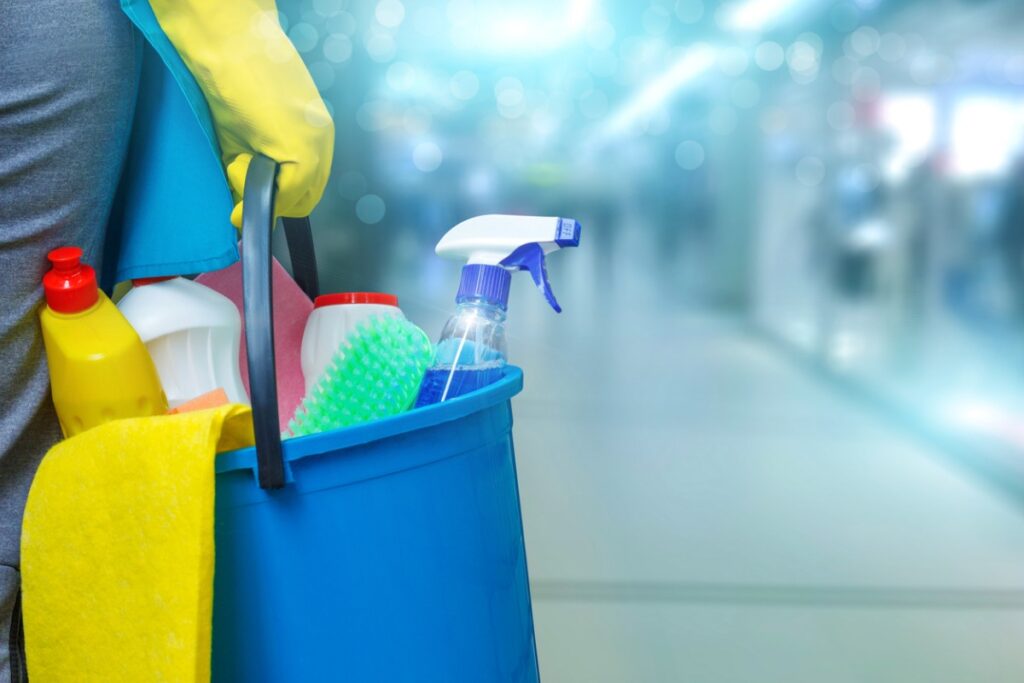
As concerns about environmental sustainability grow, more individuals are looking for ways to reduce their ecological footprint. One often-overlooked area is our everyday cleaning routine. The products we use, the methods we choose, and even the tools we rely on can contribute to pollution, waste, and health risks. By adopting greener cleaning practices, we can help protect the planet while maintaining a healthy home.
What Does It Mean to “Go Green”?
Going green involves making lifestyle choices that promote environmental sustainability and healthier living. In the context of cleaning, this means using natural, non-toxic products and adopting practices that minimize harm to the air, water, and ecosystems. Everyday cleaning choices can either contribute to or help combat pollution, toxic waste, and excessive carbon emissions.
Ditch the Toxins: Choose Natural Cleaning Products
Many traditional cleaning products contain harmful chemicals like chlorine, ammonia, and artificial fragrances.
Common offenders include:
- Chlorine bleach
- Drain cleaners
- Carpet cleaners
- Multi-surface sprays like Spic and Span
- Conventional floor cleansers
Instead of these harsh chemicals, opt for natural alternatives that are just as effective and far safer:
- Baking soda – great for scrubbing and deodorizing
- White vinegar – excellent for cutting grease and killing germs
- Castile soap – an all-purpose plant-based cleaner
- Essential oils – add pleasant scents and antimicrobial properties
- Borax – helps boost cleaning power naturally
Benefits of Green Cleaning
Healthier Air Quality
Switching to non-toxic products improves indoor air quality, reducing exposure to chemical fumes and allergens that can trigger asthma or respiratory issues.
Eco-Friendly
Natural cleaners are biodegradable and safer for waterways, wildlife, and the environment.
Cost-Effective
Many green ingredients like vinegar and baking soda are affordable and multipurpose, making them ideal for budget-conscious households.
Peace of Mind
Knowing you’re making healthier choices for your family and the planet brings a strong sense of purpose and responsibility.
Challenges of Green Cleaning
Lower Cleaning Power – Some green products may not clean as aggressively as chemical-based ones, especially on heavy grime or stains.
Availability – Eco-friendly products might be harder to find in rural or less-developed areas.
Longer Cleaning Time – Natural cleaners often take longer to work, which can affect efficiency, particularly for commercial cleaning businesses.
Eco-Conscious Cleaning Tips and Tricks
Clear Drains Naturally with Baking Soda & Vinegar
- Avoid chemical drain cleaners by following this eco-friendly method:
- Pour a pot of boiling water down the drain.
- Add 1 cup of baking soda followed by 1 cup of vinegar mixed with warm water.
- Cover the drain for 5–10 minutes.
- Finish with another round of boiling water.
Switch to Natural Sponges
Replace synthetic sponges with biodegradable ones made from plant materials. Once worn out, they can be composted instead of sent to landfills.
Reduce, Reuse, Recycle
Use reusable cloths made from old clothes or towels instead of disposable paper towels. Choose paper or reusable bags over plastic ones.
Try Loofahs for Gentle Cleaning
Loofahs are natural and effective alternatives to sponges.